7 Beginner Tips for Learning How to Surf
Surfing is more than just a water sport; it is an exciting way to connect with the ocean, challenge yourself, and build confidence. For many beginners, the idea of standing on a surfboard and riding a wave can feel intimidating at first. Questions like “What if I fall?”, “Will I be able to balance?”, or “Is surfing difficult to learn?” are completely normal.
The good news is that surfing is a skill anyone can develop with patience, practice, and the right instruction. Learning from experienced surf coaches helps beginners understand ocean safety, board control, wave selection, and proper techniques from the beginning. Whether you are trying surfing for the first time or looking to improve your basic skills, following the right approach can make your learning journey easier and more enjoyable.
If you are ready to experience the thrill of catching your first wave, these beginner surfing tips will help you start with confidence.
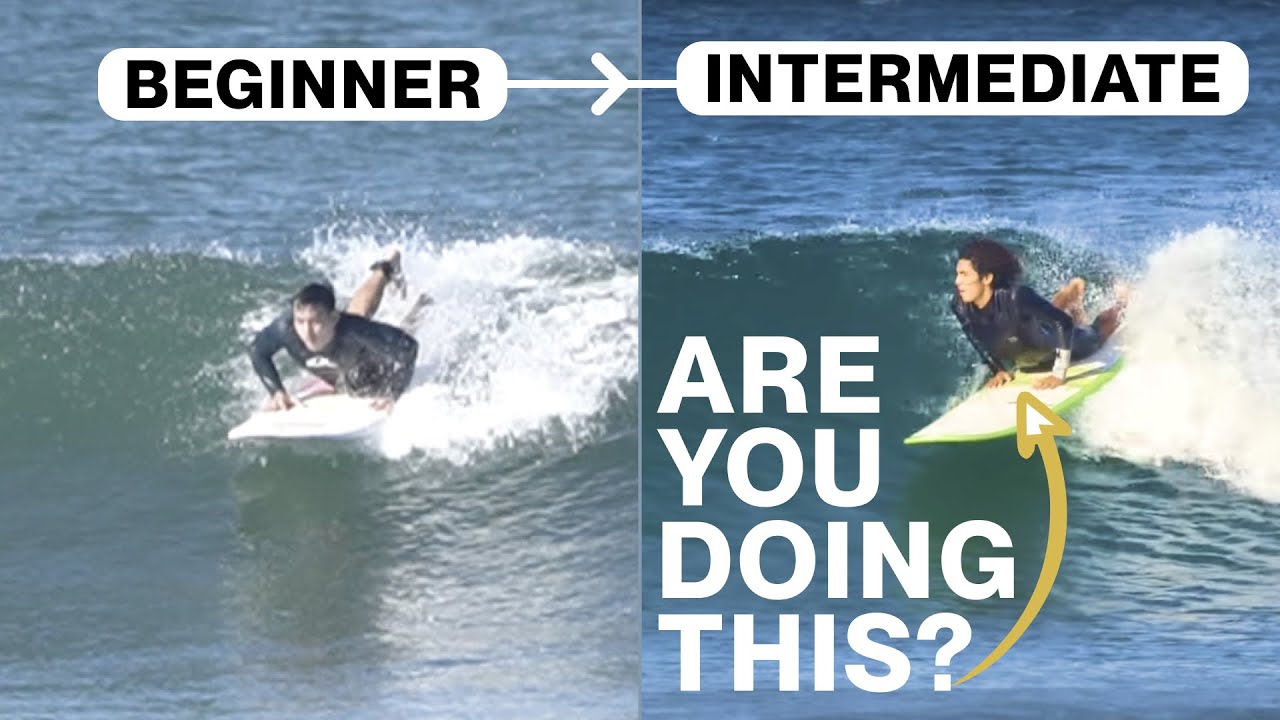
1. Learn Surfing Basics Before Entering the Water
A strong foundation is essential when surf learning how to surf. Beginners should first understand basic surfing concepts, including how waves work, how to position themselves on a surfboard, and how to maintain balance.Before paddling into the ocean, spend time learning:
- How to lie correctly on a surfboard
- The right paddling technique
- How to perform a pop-up movement
- Basic surfing rules and ocean etiquette
- How to identify safe surfing conditions
Many new surfers make the mistake of rushing straight into bigger waves without understanding the fundamentals. Professional guidance allows beginners to develop confidence while learning techniques safely.
2. Choose the Right Surfboard for Beginners
The surfboard you use can significantly impact your learning experience. Many beginners struggle because they start with boards that are too small or difficult to control.A beginner-friendly surfboard is usually:
- Longer and wider for better stability
- Made with soft materials for safety
- Easier to paddle and balance on
- More forgiving when learning new skills
A larger board helps beginners catch smaller waves more easily and provides extra stability while practicing standing up. As your confidence and ability improve, you can gradually move to smaller boards designed for more advanced surfing.Choosing the right equipment is one of the most important steps when starting your surfing journey.
3. Take Professional Surf Lessons
One of the fastest ways to learn surfing correctly is by working with experienced instructors. Professional surf lessons provide structured training that helps beginners avoid common mistakes and develop proper techniques.A qualified surf coach can teach you:
- Safe ways to enter and exit the water
- How to read waves and ocean conditions
- Correct body positioning on the board
- Techniques for catching waves
- Ways to improve balance and control
Learning independently may seem tempting, but incorrect habits can slow your progress. Expert instruction creates a safer and more enjoyable experience, especially for first-time surfers.
4. Focus on Balance and Body Position
Balance is one of the biggest challenges beginners face when learning how to surf. Standing on a moving board requires coordination, strength, and body awareness.To improve your balance:
- Practice your pop-up technique regularly
- Keep your knees slightly bent
- Maintain a relaxed body position
- Look toward where you want to go instead of looking down
- Keep your weight centered on the board
Many beginners become frustrated because they focus only on standing up. However, good surfing begins with proper positioning, controlled movements, and understanding how your body works with the wave.
5. Start With Small Waves and Build Confidence
Beginner surfers should avoid chasing large waves too early. Smaller waves provide the perfect environment to practice essential skills without feeling overwhelmed.Small waves allow you to:
- Improve paddling strength
- Practice timing and wave selection
- Build confidence in the ocean
- Understand how waves move
- Learn from mistakes safely
Progress in surfing comes through consistency. Every fall teaches you something new, and every successful ride helps you develop better control.A supportive learning environment makes a huge difference, especially during your first surfing experiences.
6. Understand Ocean Safety and Surf Etiquette
Surfing is not only about catching waves; it is also about respecting the ocean and other surfers. Understanding safety guidelines helps create a positive experience for everyone in the water.Important beginner safety tips include:
- Always check local surf conditions
- Surf within your ability level
- Never ignore advice from experienced surfers
- Maintain distance from other surfers
- Know how to handle your board safely
Surf etiquette is equally important. Taking turns, avoiding dropping in on another surfer’s wave, and respecting local rules help beginners become responsible members of the surfing community.
7. Practice Regularly and Enjoy the Learning Process
Like any new skill, surfing improves with regular practice. Many beginners expect quick results, but surfing requires patience and persistence.Every session helps you improve areas such as:
- Wave timing
- Balance
- Paddle technique
- Confidence in the water
- Overall surfing awareness
The goal is not perfection on your first day. The goal is to enjoy the process, learn from each experience, and gradually become more comfortable in the ocean.With professional support and consistent practice, beginners can transform their first nervous attempts into memorable surfing experiences.
Reviews From Beginner Surfers
⭐⭐⭐⭐⭐
“An amazing first surfing experience. The instructors were patient, professional, and made me feel comfortable in the water. I caught my first wave and loved every moment.”⭐⭐⭐⭐⭐
“I was nervous before my first lesson, but the team made learning simple and enjoyable. Great advice, excellent coaching, and a friendly atmosphere.”⭐⭐⭐⭐⭐
“Perfect for beginners. The instructors explained everything clearly and helped me improve my confidence quickly.”
Frequently Asked Questions About Learning How to Surf
1. Is surfing difficult for beginners?
Surfing requires practice and patience, but beginners can learn the basics quickly with professional instruction and the right equipment.
2. How many lessons does a beginner need to learn surfing?
The number of lessons varies depending on confidence, fitness level, and ocean experience. Regular practice helps beginners progress faster.
3. What should beginners bring for a surf lesson?
Most surf schools provide boards and wetsuits. Beginners should bring swimwear, a towel, sunscreen, and a positive attitude.
4. Can children and adults both learn surfing?
Yes. Surfing lessons are available for different age groups, and instructors adjust teaching methods according to each person’s ability.
Start Your Surfing Journey With Expert Guidance
Learning how to surf is an exciting adventure that combines fitness, confidence, and a deeper connection with the ocean. The right coaching, equipment, and mindset can help beginners overcome their fears and enjoy the excitement of riding their first wave. At Aotearoa Surf School, beginners receive expert guidance in a safe and encouraging environment designed to make learning enjoyable.
Experienced instructors help new surfers understand ocean awareness, improve their technique, and build confidence step by step.Call 64-09-431-5760 or email surf@aotearoasurf.co.nz to arrange a meeting with our experts, or contact us through our online form to begin your surfing experience.surfing experience
